The After-Cup Clause: Giving Leftover Bold Coffee a Fair Second Run
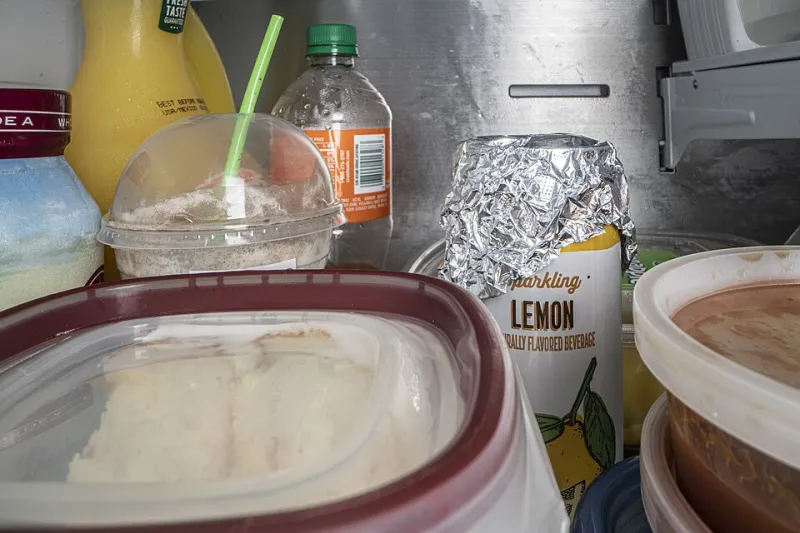
Photo: USDAgov, Public domain, via Wikimedia Commons
Bold coffee is not cheap, and a half-full carafe can feel like a small failure. But the leftover pot has a second act—if you stop asking it to be fresh coffee. The trick is to change the job. Yesterday’s dark roast is no longer a hot cup waiting to happen; it’s a concentrated ingredient, a chilling agent, or a braising liquid with opinions. Treat it that way and you’ll waste less without drinking anything that tastes like a tire fire.
Rule One: Taste It Before You Save It
Not every leftover deserves a rescue. Plain black coffee that has been sitting at room temperature for an hour or two is usually fine to chill and reuse. Coffee that spent the afternoon on a hot burner, or that has been sitting out overnight, is not a project—it’s a pour-out. The same goes for coffee with milk or sugar already in it. Once dairy is in the cup, the clock changes, and the safest move is to finish it or toss it.
Give the pot a sniff and a sip. If you taste scorch, ash, or that flat, papery edge that comes from long oxidation, no amount of reheating will fix it. Bold roast can hide a lot, but it cannot un-burn itself. Save the clean-tasting leftovers and compost the rest.
Reheating Without Re-Boiling
The biggest mistake with leftover coffee is re-boiling it. Boiling drives off aromatics, pushes bitterness forward, and makes dark roast taste like the bottom of a diner carafe. You want to warm it, not cook it.
For a single mug, microwave in short bursts—20 to 30 seconds, stir, then another short burst if needed. Stop when the coffee is hot to the touch but not steaming hard. On the stovetop, use low heat and pull it off before it simmers. A splash of fresh water can soften the edges, but don’t drown it. If you’re reheating a larger batch, warm only what you plan to drink. Reheating the same pot twice is how coffee picks up that stale, reheated taste.
And please: skip the carafe warmer. Holding coffee hot for hours is just slow oxidation with a heating element.
The Flash-Chill Move
Iced coffee is the easiest second act for leftover bold roast, but slow cooling is the enemy. Putting a hot pot in the fridge gives bacteria more time and gives the coffee more time to taste tired. Instead, flash-chill it.
Pour the coffee into a shallow metal pan or a bowl set over ice water. Stir occasionally. The wide surface and cold bath bring the temperature down fast. Once it’s cold, store it in a sealed jar in the fridge and use it within a few days. For immediate drinking, pour strong leftover coffee over a full glass of ice and add milk or a splash of simple syrup. Because the coffee is already brewed, the ice will dilute it—so lean toward a pot that was on the strong side to begin with. If it tastes thin, add a shot of fresh espresso or a little cold brew concentrate. Bold beans can take the extra body.
Freeze It in Cubes, Not in a Mason Jar
Freezing leftover coffee in ice cube trays is a small, useful habit. The cubes won’t be perfect for hot coffee—they’ll release some sediment and flavor as they melt—but they are excellent in iced coffee, cold milk, or a blender smoothie. They also keep a batch of chili or braising liquid cold when you need it.
Skip the full mason jar in the freezer unless you’re ready for an expanding block of coffee ice. Portion it into cubes, freeze solid, then bag the cubes. Label the bag with the date. Use them within a couple of months for the best flavor. A coffee cube dropped into a glass of milk is a low-effort iced latte move that tastes better than it has any right to.
Cooking Is Where Bold Coffee Shines
This is the real second act. Dark roast has the backbone for savory cooking because it brings roast, cocoa, and a pleasant bitterness that can play against sweet or fatty ingredients. Use it where you would use stock, water, or a dark liquid—just taste as you go.
- Coffee rub: Mix finely ground dark roast with brown sugar, smoked paprika, salt, and black pepper. Pat it onto steak, pork shoulder, or chicken before grilling or roasting. The coffee shouldn’t dominate; it should read as depth.
- Chili: Replace some of the water or stock with brewed coffee. Start with half a cup in a big pot and add more if the chili tastes flat. Coffee loves cumin, chile powder, and beef.
- Brownies: Swap the water in a boxed brownie mix for cooled coffee. It won’t make the brownies taste like coffee—it just makes the chocolate taste more like chocolate. For a from-scratch batch, use coffee in place of some of the milk.
- Pan sauce: Deglaze a skillet with a splash of leftover coffee after searing pork or duck. Add butter and a little maple syrup, then reduce until glossy.
The rule for cooking is simple: don’t use coffee you wouldn’t drink. If it’s scorched, it will make your chili taste scorched, too.
The Short List of Don’ts
Don’t re-boil. Don’t leave it on the burner. Don’t keep reheating the same pot. Don’t save coffee that has been sitting out overnight. Don’t freeze a giant jar. And don’t pretend last week’s pot is going to taste fresh just because you put it in a nice mug.
Bold coffee is forgiving, not indestructible. Give leftovers a clear job—a chill, a cube, a rub, a simmer—and they’ll earn their keep. Dump the burnt, save the good, and let the second act begin.