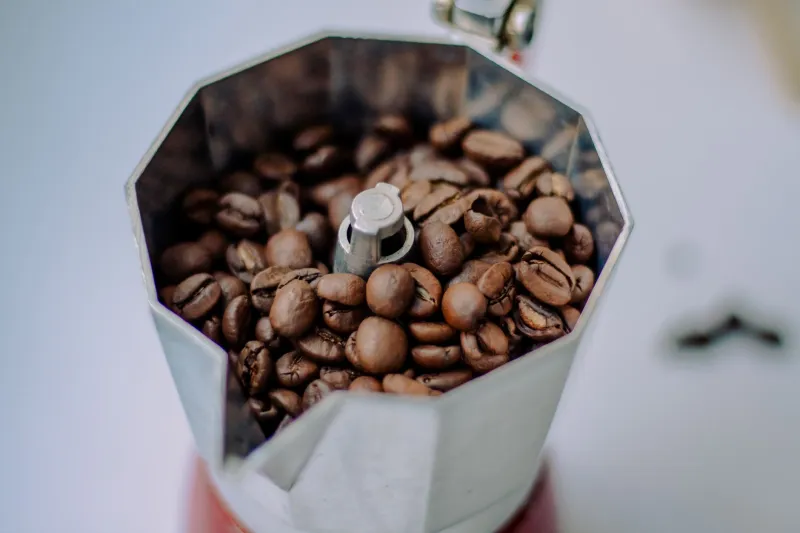
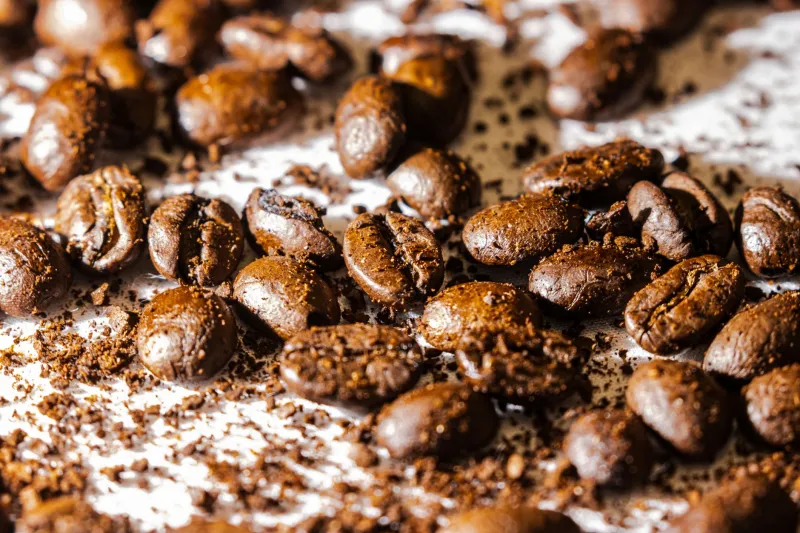
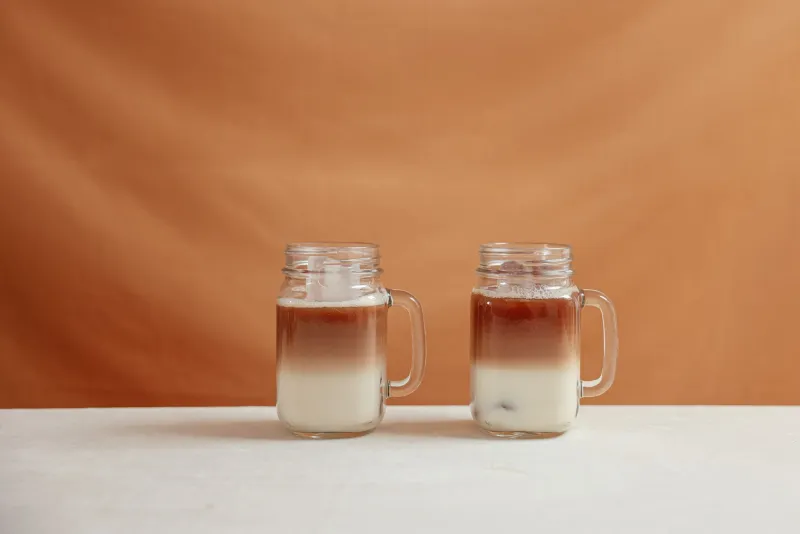
The 90-Second AeroPress Reset: Dark Roast With Clarity, Not Char
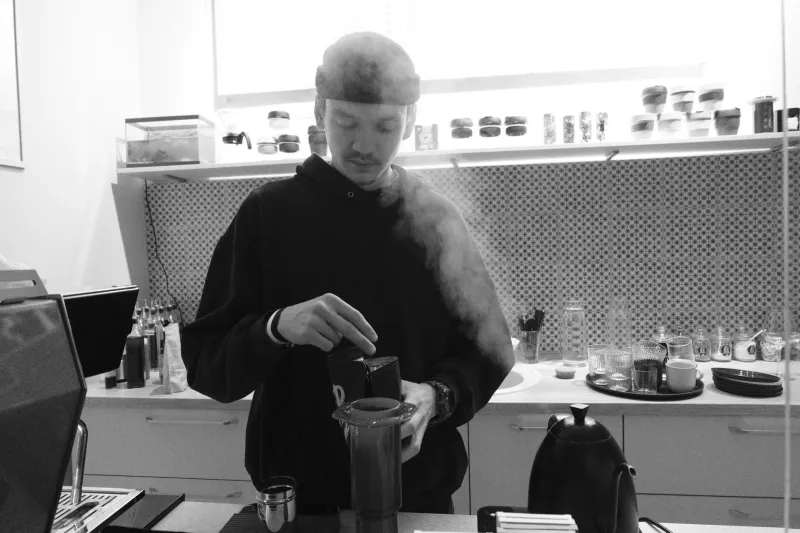
Dark roast and the AeroPress should be a simple handshake: bold beans, fast brewer, small footprint, big mug. Too often it turns into a bitter little science fair. The coffee tastes like a wet ashtray with a caffeine problem, and the brewer gets blamed. Usually the method is the culprit. People treat dark roast like a light-roast competition bean, then wonder why the cup is muddy and harsh.
Here is the reset: use the AeroPress as a clarity tool, not a pressure machine. Dark roast has already spent time in the roaster. The beans are more porous, more soluble, and less dense than their lighter cousins. They do not need a fine grind, boiling water, and a long steep to prove anything. They need a short window and a gentle hand.
The 90-second dark-roast recipe
What you need: 15 grams of dark roast, a medium-coarse grind, 200 grams of water at about 185°F, an AeroPress with a rinsed paper filter, a mug, a scale, and a timer. You will also want roughly 35 grams of hot water for the bypass pour at the end.
- Rinse the paper filter, lock the cap on, and set the AeroPress on your mug. Add 15 grams of coffee.
- Start the timer. Pour 50 grams of water and give the slurry a gentle swirl, maybe three turns. Let it sit for 30 seconds.
- Pour to 200 grams total by about 0:45. Stir once with a paddle. Once. No frantic whirlpool.
- At 1:10, insert the plunger and press gently for about 20 seconds. Stop before the hard hiss turns into a bitter tail. You should finish around 1:30.
- Add 35 grams of hot water to the cup, swirl, and taste. That puts you around 235 grams of finished coffee.
The whole thing is quick enough for a weekday and controlled enough to repeat tomorrow. That is the point.
Grind and temperature guardrails
Start with a medium-coarse grind, closer to coarse sand than powdered sugar. Dark roast shatters easily and throws off fines. Those fines can slip through the filter and coat your tongue like silt. If the press feels stiff, go coarser. If the water runs through almost instantly and the cup tastes thin, go a touch finer.
Water temperature is the other guardrail. Boiling water is too aggressive for most dark roast. It pulls the roasty edge forward and buries the sweetness. Aim for 185°F to 195°F. If your kettle has no temperature control, use a thermometer or let the water rest after boiling, but do not guess and then blame the beans. If the cup tastes flat and ashy, drop the temperature and coarsen the grind before you change anything else.
Use filtered water. Good coffee cannot fix a faucet that tastes like a swimming pool, and dark roast does not hide bad water. It amplifies it.
Bypass is not cheating
The AeroPress makes a concentrate. With dark roast, that concentrate can be syrupy, smoky, and heavy on the palate. A bypass pour, added after pressing, opens the cup up. It gives you clarity and aroma without turning the brew into brown water.
Start with 30 to 40 grams of hot water in the cup. If you want a thicker, more old-school cup, use 25 grams. If the coffee tastes too intense or coats your mouth, use 45 grams. The bypass water should be hot, not lukewarm. You are building a cup, not cooling off a science project.
This is also where you can save a brew that went a little dark. Add a splash more bypass water, swirl, and taste again. Small adjustments beat dramatic overhauls.
Three mistakes that flatten bold beans
-
Grinding for espresso. Fine grind plus dark roast is a shortcut to over-extraction and mud. The AeroPress can handle a fine grind, but it does not need one for this style. Coarsen up and let the short brew time do the work.
-
Stirring like you are mad at it. Aggressive agitation pushes fines through the filter and pulls harsh roasty notes forward. One or two gentle stirs are enough. You are mixing, not whipping.
-
Pressing hard and long. Pressure does not make better coffee in this brewer. It makes a denser, muddier cup. Press gently, stop at the hiss, and let the bypass water finish the job.
Dialing it to your mug
Change one variable at a time. If the cup is bitter and drying, go coarser or cooler. If it tastes hollow and thin, go slightly finer or hotter. If it is too strong, add more bypass water. If it is too weak, use less bypass water or bump the dose to 16 grams. Keep the 90-second frame steady while you adjust.
Dark roast will not give you the florals and tea-like delicacy of a light Kenyan. That is not the assignment. The target is bittersweet chocolate, caramel, molasses, roasted nuts, and a clean finish. If you get char, back off the grind, the temperature, or the press.
The AeroPress is not a magic eraser. It is a control valve. Use it to keep bold coffee bold without letting it turn into a punishment. Ninety seconds, a medium-coarse grind, cooler water, a gentle press, and a bypass pour. That is the playbook. Now make it taste like coffee again.