Day One Is Not the Finish Line: Resting Dark Roast Without Guesswork
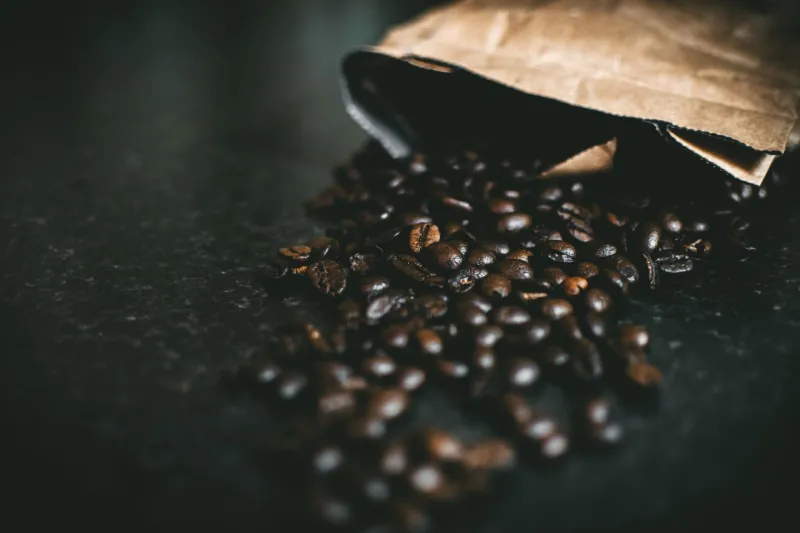
Fresh coffee has a reputation problem. We are trained to want it immediately: roast date as close to today as possible, bag still warm, grinder ready. But fresh off the roaster is not the same as ready to brew. Especially with dark roast, a little time off can be the difference between a cup that tastes sharp and smoky in a bad way and one that tastes like chocolate, caramel, and a fire in the right fireplace.
At Balder, we like bold coffee that tastes like something. Sometimes the most important upgrade is not a new grinder or a fancier kettle. It is patience.
What Resting Actually Does
When coffee is roasted, carbon dioxide builds up inside the bean. Some of it escapes right away; some stays trapped. When you brew very fresh coffee, that CO2 pushes water away from the grounds. You see it in a giant bloom, and you taste it in a cup that can feel sharp, uneven, or strangely muted. The CO2 is not poison. It is just noise. Resting gives the bean time to release it so water can do its job.
Dark roast is more porous than light roast, which means it tends to degas faster. That is good news for impatient people. It does not mean the bag is ready on day one. It means the window opens sooner. Oxygen is also in the room, and once coffee is exposed to it, staling begins. Resting is a pause, not a permanent vacation.
The Roast Date Is the Only Date That Matters
Ignore the best-by date on the bag. It tells you almost nothing useful. Look for the roast date. If there is no roast date, ask the roaster or the shop. A dark roast from a supermarket shelf might be six months old, and no amount of resting will bring it back. The resting game only works with coffee that was roasted recently enough to still have something to say.
A Practical Day-by-Day Timeline for Dark Roast
Every bean is different, and your kitchen is not a lab. Use this as a starting map, not a court order.
Day 0-1: The bag is puffy, the smell is intense, and the bloom is dramatic. The cup can taste jagged, extra smoky, or a little ashy. Brew it if you are curious, but do not judge the roaster yet.
Day 2-3: The CO2 slows down. The cup starts to round out. Smoke moves from the front of the sip to the back. You may notice more sweetness and body.
Day 4-7: This is the sweet spot for many dark roasts. Chocolate, caramel, and molasses show up. The finish is cleaner. Start dialing in your grind and ratio here.
Day 8-14: The coffee is stable and often still excellent. If you bought a big bag, this is the stretch where it feels easy. Keep the bag sealed and store it somewhere cool and dark.
Day 15-30: Many dark roasts are still good, but the aromatics begin to fade. The cup may taste flatter and more generic. If it still tastes sweet and structured, keep drinking. If it tastes papery or dull, it is time to finish the bag and buy fresh.
Taste Is the Real Calendar
Do not wait for a specific date if the coffee tastes ready. Brew a small cup every couple of days with the same recipe. Pay attention to the bloom, the smell of the grounds, and the finish. If the cup tastes sharp, metallic, or ashy, give it another day or two. If it tastes sweet, syrupy, and balanced, drink it. The calendar is a suggestion. Your palate is the referee.
Packaging Changes the Clock
A bag with a one-way valve is your friend. It lets CO2 escape without letting a steady stream of oxygen in. Keep the bag sealed between brews. Do not dump a week's worth of beans into an open hopper. Grind right before you brew. Store whole beans in a cool, dark, dry place, not in the fridge. The fridge is a humid, smelly box, and coffee is very good at absorbing both.
If you buy in bulk and want to stretch the fresh window, freezing whole beans in an airtight container can work for longer storage. Just let them come to room temperature before grinding, and do not thaw and refreeze the same beans over and over.
Patience Is a Brewing Skill
Resting coffee is not aging wine. It is not about collecting vintages or chasing a perfect number. It is about giving a fresh roast a little space to settle so the bold flavors you paid for can show up clearly. Dark roast can be forgiving, but it is not instant. Give it a few days. Taste as you go. When the cup turns sweet and deep, you will know the wait was worth it.