Before You Blame the Beans, Check the Faucet
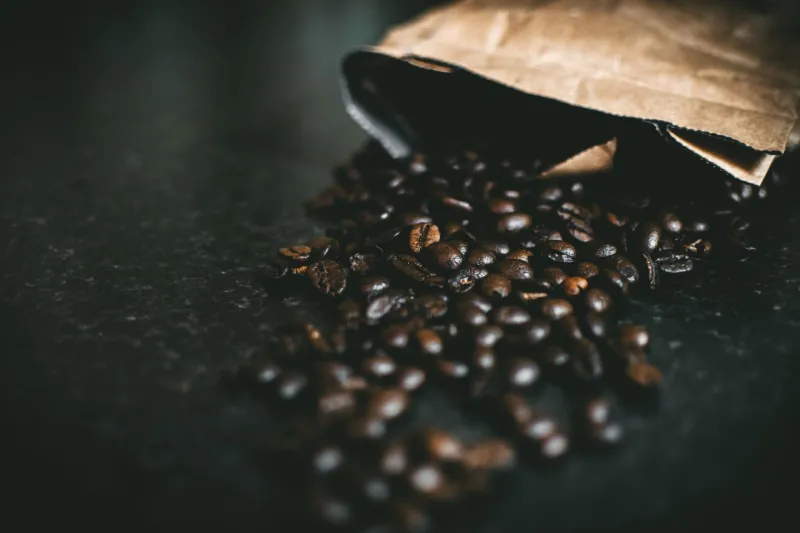
Dark roast is supposed to be the loud one. It brings cocoa, molasses, a little smoke, and enough body to stand up to a cold morning. So when a bag of bold beans tastes flat, chalky, or weirdly like a swimming pool, it is tempting to blame the roast. Most of the time, the culprit is sitting in your kettle.
At Balder Coffee, we are all for big flavor. But big flavor needs a clean stage. If your water is hard, alkaline, or loaded with chlorine, your dark roast is fighting through a haze before it ever reaches the cup. Here is how to figure out what is in your water, what it is doing to your coffee, and how to fix it without turning your kitchen into a lab.
Water Is Not a Neutral Ingredient
Brewed coffee is mostly water. That means every mineral in your tap ends up in the cup, and every mineral changes how flavor compounds dissolve. Water with almost nothing in it can make coffee taste hollow and sharp. Water with too much calcium and magnesium can taste chalky and mute sweetness. Water with high alkalinity can buffer the acids that give coffee brightness and structure, leaving you with a cup that tastes dull, dusty, or ashy. Chlorine adds its own chemical edge. Dark roast already has low acidity compared with a light roast, so it is especially vulnerable to water that makes coffee taste flat.
Hardness and Alkalinity Are Not the Same Thing
This is the part where people start nodding and then quietly get lost. Hardness is mostly calcium and magnesium. It helps pull flavor out of the grounds. A little hardness is good. Too much can make the cup heavy in a bad way and leave scale in your kettle.
Alkalinity is the water's ability to neutralize acid. It comes mostly from bicarbonate. For dark roast, high alkalinity is the silent killer. It can sand down the edges of a cup until the coffee tastes like it is wearing a blanket. The Specialty Coffee Association's water guidelines are a useful reference: moderate hardness and relatively low alkalinity. You do not need to chase exact numbers at home, but you do need to know which direction your water is leaning.
Chlorine Is the Easy Villain
Municipal water is treated to keep it safe, and that treatment can leave chlorine or chloramine behind. Chlorine gives coffee a bandage-like, chemical flavor. Chloramine is tougher to remove. Letting water sit on the counter might reduce chlorine, but it will not reliably remove chloramine. Boiling does not fix it either. A carbon filter is the first move. Pitcher filters and under-sink carbon blocks handle chlorine well. For chloramine, look for catalytic carbon or a filter specifically rated for it. Check your city's water report, or call your utility if you are not sure which one you have.
Practical Fixes That Do Not Require a Chemistry Degree
Start with carbon filtration
A simple pitcher filter or an under-sink carbon filter is the lowest-effort upgrade. It will not soften hard water or fix high alkalinity, but it will usually improve the smell and taste. If your coffee improves, you have your answer.
Try reverse osmosis, then add minerals back
Reverse osmosis strips almost everything out of water. That can be great if your tap is very hard or very alkaline, but straight RO water makes coffee taste thin. The fix is remineralizing. Commercial mineral packets are the easiest route: mix them with distilled or RO water according to the package. If you want to DIY, use a small digital scale and start gently. A common starting point is about 0.1 gram of baking soda and 0.2 gram of Epsom salt per liter of distilled water. Stir until dissolved, brew a small cup, and adjust. Too much baking soda will flatten the cup. Too much Epsom salt can make it bitter.
Choose bottled water with a published analysis
Not all bottled water is good for coffee. Distilled water is too empty on its own. Some spring waters are excellent; others are high in alkalinity. Look for a brand that publishes mineral content, and aim for moderate hardness with lower alkalinity. If the label only says single-quoted purified drinking water and gives you nothing else, keep looking.
Run a Side-by-Side Test
Brew two cups with the same beans, grind, dose, and temperature. Use tap water for one and filtered or remineralized water for the other. Taste them side by side. You are not looking for a scientific breakthrough. You are looking for sweetness, clarity, and a finish that does not taste like a hardware store. A cheap TDS meter can tell you how much stuff is in the water, but it will not tell you what that stuff is. Alkalinity test strips are more useful if you want to go deeper.
The Bottom Line
Dark roast does not need fancy water. It needs clean, consistent water. Filter out the chlorine first. If the cup still tastes flat or chalky, look at hardness and alkalinity. Then adjust with filtration, remineralization, or a bottled water you trust. Your beans are already doing the loud part. Give them water that lets them be heard.