The Carafe Isn't a Cop-Out: Why Batch Brewing Belongs in Your Bold-Coffee Rotation
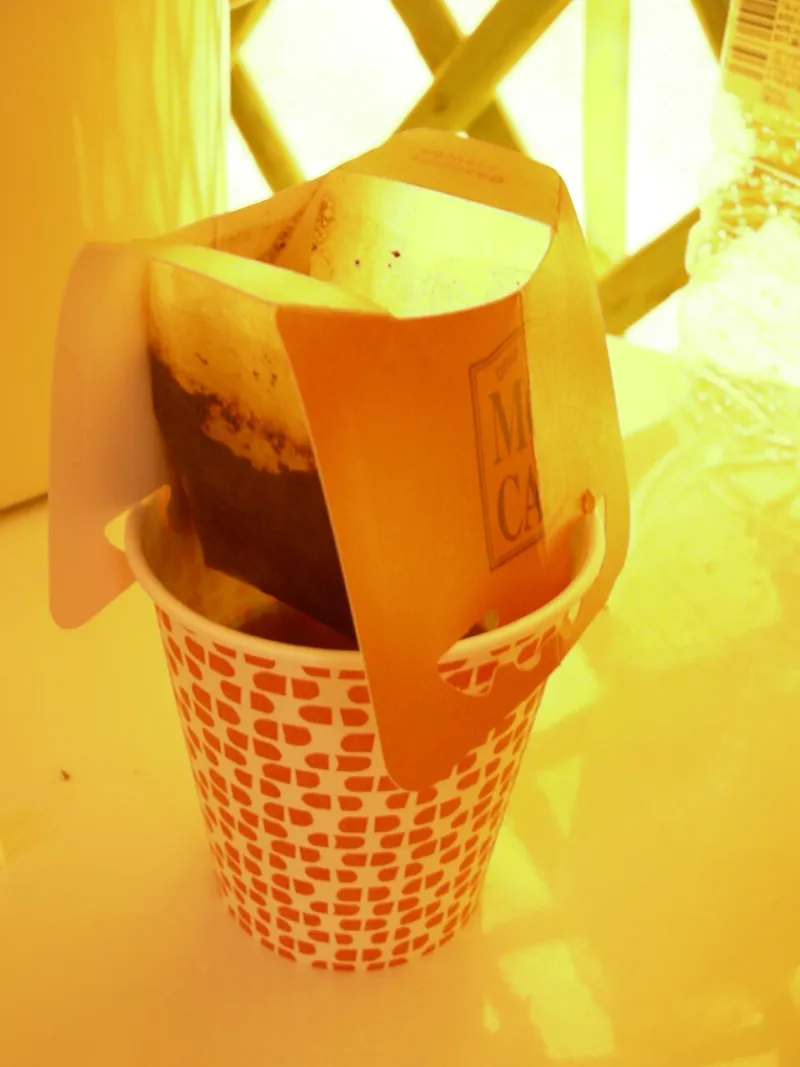
Photo: cdotwright, CC BY 2.0, via Wikimedia Commons
Somewhere along the way, the humble drip machine became the punchline of home coffee. It sits on the counter next to a gooseneck kettle and a hand grinder like a minivan parked between two sports cars. But here's the contrarian truth: a basic batch brewer can make excellent dark-roast coffee, often with more consistency than a fussy manual setup on a busy Tuesday morning. The machine is not the villain. The variables are.
The Batch Brewer's Bad Reputation
Drip machines earned their reputation honestly. Cheap models brew too cool, dribble water down the center of the bed, and park the pot on a hot plate until the coffee tastes like burnt toast. But that's a design and technique problem, not a verdict on the method. A batch brewer's real advantage is repeatability. You set it up, press a button, and get a full carafe without standing over a kettle. For bold coffee—the kind with chocolate, molasses, and roasted-nut depth—that reliability is worth something.
At Balder Coffee, we're not asking you to retire your pour-over cone. We're asking you to stop blaming the carafe for a problem that usually starts with grind, ratio, or a hot plate left on for two hours.
What Actually Matters
Basket shape
Flat-bottom baskets are forgiving. They create a more even bed depth, which helps batch brewers extract consistently across a full pot. Cone baskets can work well too, especially if the machine has a good spray head, but they're less tolerant of sloppy distribution. For dark roast, a flat-bottom basket is often the easier starting point because it reduces the chance of channeling and ashy over-extraction.
Water temperature
You want water in the 195–205°F range. Many budget machines run cool, which leaves dark roast tasting flat and woody. If your brewer has a temperature setting, use it. If it doesn't, run a cycle with water only and check the temp with an instant-read thermometer. A machine that brews below 190°F is going to struggle no matter how good your beans are.
Grind
Medium is the sweet spot for most batch brewers. Too fine and you get bitterness and ash; too coarse and the pot tastes thin and sour. Dark roast is more soluble than light roast, so err on the medium to medium-coarse side. If your coffee tastes dry and bitter, go coarser. If it tastes weak and hollow, go finer—but only in small steps.
Ratio
Use a scale. Seriously. A good starting point is 1:16 coffee to water by weight—roughly 60 grams of coffee per liter of water. For a bolder, more syrupy cup, tighten to 1:15. For a lighter, more tea-like pot, loosen to 1:17. The numbers aren't sacred, but they give you a repeatable baseline. Scoops are not a baseline; they're a rumor.
Preheating
A cold carafe and a cold brew path steal heat from the first part of the brew. Run a quick hot-water cycle or rinse the carafe with hot water before you start. Rinse the paper filter too. It removes papery taste and warms the basket. These are small moves, but they add up to a cleaner, hotter cup.
The hot plate
This is where batch brewers go to die. Coffee held on a hot plate for more than 20–30 minutes starts to taste stewed and metallic. If you're making a pot for a crowd, use a thermal carafe or transfer the coffee to a preheated thermos. If your machine has a hot plate, turn it off or use it only for the first few minutes. The goal is to drink the coffee, not incubate it.
A Repeatable Dark-Roast Batch Recipe
Start with 55–60 grams of medium-coarse ground dark roast and 900 grams of filtered water. Preheat the brewer and rinse the filter. Add the coffee, level the bed, and start the cycle. If your machine has a bloom setting, use it. If not, don't worry—just make sure the water is hot and the bed is even. Once the brew finishes, stir the carafe gently to homogenize the pot, then pour. Taste it black first. If it's bitter, go coarser next time. If it's weak, add a few grams of coffee or tighten the ratio.
When to Reach for the Drip Machine
Batch brewing shines when you need more than one cup. Weekend brunch, a house full of guests, a work-from-home day when the thermos needs to last until lunch—these are drip-machine moments. It's also the best tool for dialing in a dark roast you plan to drink all week, because the variables are easier to control when you're not changing technique every morning. Consistency is underrated. A good batch brewer gives you the same pot twice in a row, which makes it easier to taste what actually changed.
When to Switch Methods
If you're making a single 8-ounce cup, a pour-over is usually more efficient and gives you more control. If you want to highlight a delicate floral note in a lighter roast, a manual method can offer more clarity. If you're experimenting with a new bean and want to taste it from different angles, a French press or AeroPress lets you adjust steep time and agitation in ways a batch brewer can't. And if your drip machine can't hold temperature or has a basket designed like an afterthought, it may be time to upgrade or switch.
The Takeaway
The drip machine is a tool, not a personality flaw. Give it hot water, an even bed, a sensible grind, and a ratio you can repeat, and it will make a pot of dark roast with real chocolate depth and none of the ash. Keep the pour-over for the mornings when you want to tinker. Keep the batch brewer for the mornings when you want coffee. Bold beans, better brewing, right at home—even from the carafe.