Save the Sad Scoop: A Stovetop Syrup Plan for the End of a Dark-Roast Bag
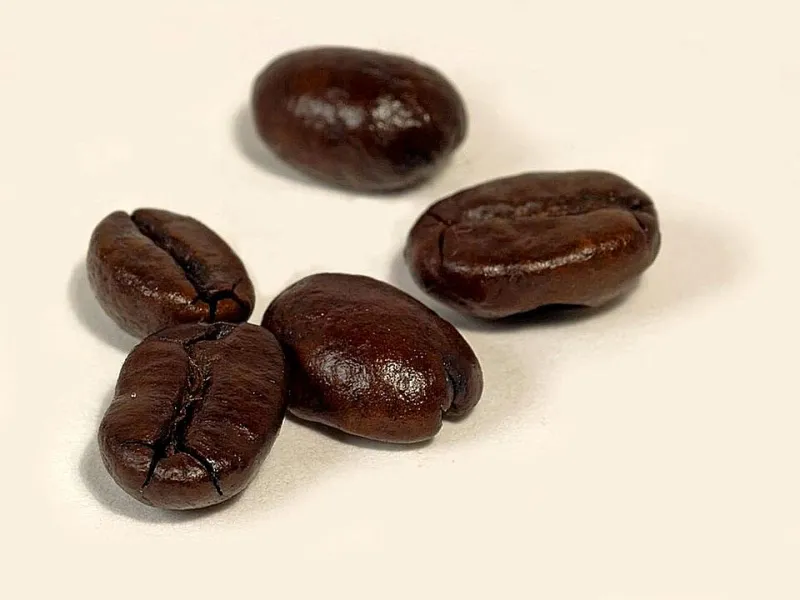
Photo: Jon Sullivan, Public domain, via Wikimedia Commons
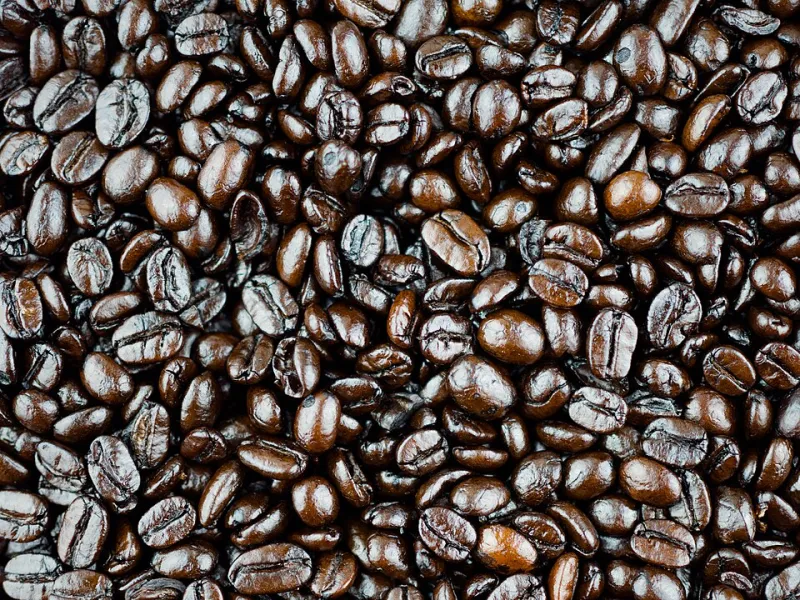
Every dark-roast bag has a last act. It usually is not a proud one. You reach the bottom, scoop out the final 100 grams, and brew a cup that tastes like the memory of coffee — flat, a little papery, and weirdly hollow. At Balder, we are not here to pretend those beans are fresh. We are here to give them a better ending. The last 100 grams can become an ingredient: a bold, bittersweet coffee syrup that earns its place in the fridge and makes the bag feel finished rather than abandoned.
Why the Bottom of the Bag Tastes Tired
Dark-roast beans are not fragile, but they are not invincible. Once the bag is open, oxygen and time go to work on the oils that give bold coffee its chocolate-and-toast character. The result is not dangerous; it is just dull. The brew loses punch, the finish gets dry, and the whole cup starts to feel like it is apologizing.
A syrup will not restore origin notes or make old beans taste new. What it can do is concentrate what is left and give it a job. Sugar, heat, and a careful steep turn a fading scoop into a dark, slightly smoky syrup that works as a flavoring rather than a cup of coffee. That is an honest promotion.
The Stovetop Syrup: A Ratio, Not a Ceremony
This is not a precision coffee competition. It is a rescue mission with a saucepan. Use a scale if you have one, because the ratio is simple and repeatable.
You need:
- 100 grams dark-roast coffee, ground coarse like French press
- 300 grams water
- 100 to 150 grams sugar, depending on how sweet you want it
- A small pinch of fine salt
Method:
- Put the water in a small saucepan and bring it to a bare simmer — small bubbles at the edge, not a rolling boil.
- Add the coffee, stir once, and cut the heat. Cover and let it steep for 10 minutes.
- Strain through a fine-mesh sieve lined with a coffee filter or clean cloth. Let it drip; do not squeeze the grounds unless you want muddy bitterness.
- Return the dark liquid to the saucepan. Add the sugar and salt. Warm over low heat, stirring until the sugar dissolves completely. Do not boil it down.
- Cool, funnel into a clean bottle, and refrigerate. It keeps for about two weeks.
If the beans are especially old, use 250 grams of water and a 12-minute steep. You are trying to pull flavor out gently, not punish the grounds. The syrup should taste like strong, sweet coffee with a dark edge — not like burnt sugar or a science project.
Use One: Iced Coffee With a Spine
The easiest win is also the most useful. Stir 1 to 2 tablespoons of the syrup into 8 ounces of cold milk, oat milk, or water over ice. For a brighter take, use cold sparkling water and a squeeze of orange. The syrup brings a chocolatey depth that plain simple syrup cannot, and it does not care that the beans were past their prime.
It also works as a sweetener for cold brew. Start with a small spoonful, taste, and add more. The goal is a bold iced coffee, not a dessert pretending to be one.
Use Two: Holiday Desserts
This is where the last 100 grams start earning their keep. Coffee syrup is a liquid flavoring, so treat it like one. Stir a tablespoon into chocolate frosting for a darker, more grown-up finish. Brush a little onto gingerbread layers before stacking. Swirl it into whipped cream for pumpkin pie or a Thanksgiving table. Drizzle it over vanilla ice cream and call it a night.
For a simple holiday move, warm a few tablespoons of syrup with a splash of milk and pour it over a slice of pound cake. It tastes like a coffeehouse dessert without asking anyone to brew a fresh pot after dinner.
Use Three: A Zero-Proof Nightcap
A coffee syrup makes a solid zero-proof drink because it has bitterness, sweetness, and aroma in one bottle. For a cozy nightcap, warm 6 ounces of milk or oat milk, stir in 1 tablespoon of syrup, and add a pinch of cinnamon. Finish with a strip of orange peel. If you want something colder, shake the syrup with milk and a dash of nonalcoholic orange bitters, then strain over ice.
It is not a cocktail, and it does not need to be. It is a rich, coffee-forward drink with enough edge to feel like an occasion — especially when the holiday calendar is already three desserts deep.
What This Will Not Fix
If the beans smell rancid, look moldy, or have been sitting in a hot cabinet since who-knows-when, throw them out. A syrup is a second act, not a resurrection. But for ordinary stale dark roast — the kind that still smells like coffee and simply tastes flat — this method is a fair way to use the bag down to the last scoop.
The Last 100 Grams Deserve a Better Ending
The bottom of a dark-roast bag does not have to mean a sad, thin cup. Make a small batch of syrup, keep it in the fridge, and let the final scoops go out with some boldness. That is not pretending old beans are fresh. It is giving them a final job worth doing.