The Twenty-Two Dollar Bag Workout: Stretching Specialty Coffee Without Stretching Your Patience
A good 12-ounce bag of specialty coffee can easily run $20 to $24 in 2026. That is not a crisis, but it is a budget line item. The old habit of grinding through half a bag while chasing a perfect espresso shot feels a lot less charming when every dose costs real money. The goal is not to be cheap. The goal is to respect the coffee, the farmer, the roaster, and your own wallet.
Here is the Balder playbook for making a pricier bag last without turning your kitchen into a spreadsheet.
Portion First, Brew Second
The fastest way to waste specialty coffee is to open the bag, leave it in the cupboard, and scoop from it for three weeks. Oxygen, light, and heat are not your friends. Portion the bag into single doses as soon as you get it home.
Weigh 15-gram or 18-gram doses on a kitchen scale and seal them in small airtight containers or bags. Squeeze out excess air if you are using bags. Label each portion with the coffee name and the date you froze it. If you brew one cup a day, a 12-ounce bag gives you roughly 22 doses at 15 grams. That is about a dollar a cup before milk, filters, or electricity—cheaper than most café drinks and a lot more fun.
Freeze Like You Mean It
Freezing is a tool, not a punishment. Whole beans freeze well when you do it right. Moisture and repeated temperature swings are the enemies.
- Freeze whole beans, not pre-ground coffee.
- Use airtight containers or heavy-duty bags with the air pressed out.
- Freeze in portions you will use within a week or two.
- Let a portion come to room temperature before grinding. Do not open it while it is still cold and damp.
- Do not refreeze the same beans over and over.
A chest freezer is great if you have one, but a regular kitchen freezer works for most home brewers. Keep the coffee away from strong-smelling food. Coffee absorbs odors like a sponge.
Dial In Without Burning Through the Bag
Dialing in is where expensive bags go to die. You pull shot after shot, taste, adjust, and suddenly the bag is half gone. For espresso, that is especially painful. For pour-over, it is easier to control, but you can still chase your tail.
Start with a known recipe and make small, deliberate changes. For a new bag on pour-over, begin at 15 grams of coffee to 250 grams of water, medium grind, and water just off the boil. Taste the first cup. If it is sour and thin, go a little finer. If it is bitter and drying, go a little coarser. Change one variable at a time. Keep notes on your phone so you are not guessing from memory.
For espresso, use a simple sequence. Start with your grinder's baseline setting for the roast level. Pull a shot, note the time and taste, then adjust the grind by the smallest useful amount. Do not change dose, ratio, temperature, and grind all at once. You will learn nothing and waste four doses doing it.
If a test cup is genuinely bad, do not pour it down the sink if you can avoid it. Chill it and drink it over ice with a splash of milk, or use it in a smoothie. It will not be your best cup, but it is still coffee.
Pick Brew Methods That Flatter One Bag
Some brewers are more forgiving with a single bag than others. If you are protecting a $22 purchase, choose methods that give you control and use moderate amounts of coffee.
AeroPress is a strong pick. It is forgiving, fast, and works well with 14 to 17 grams. You can brew a clean cup or a heavier one by playing with grind and steep time. It also travels well, which makes it a good match for a bag you want to enjoy without ceremony.
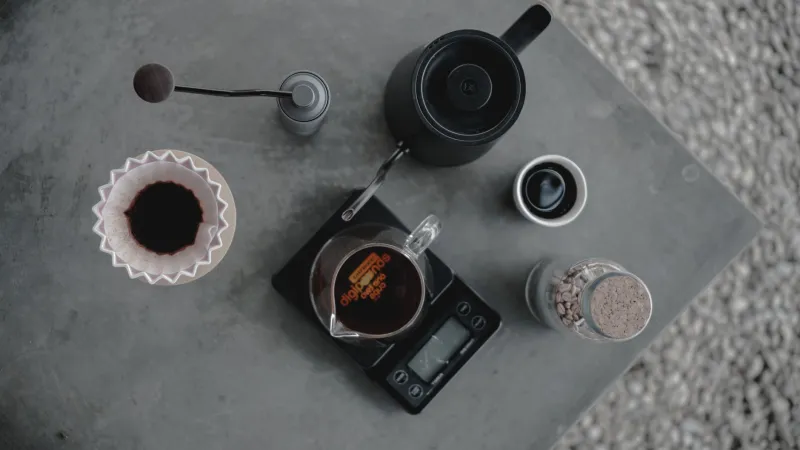
Pour-over—V60, Kalita, or a simple cone—rewards good technique and highlights clarity. It uses a moderate dose and gives you direct feedback. If you want to taste what makes a specialty bean special, this is a great place to start.
French press is rich and forgiving, but it can muddle delicate notes. It is a good choice for darker or heavier coffees when you want body over precision.
Espresso is the most expensive way to brew by dose. If you have a $22 bag, you can still use it for espresso, but treat it like a treat. Do your dial-in with a cheaper daily bean and save the special bag for when your grinder is already close.
Cold brew uses a lot of coffee. It can be a wonderful summer move, but it is not the best way to stretch a small, pricier bag unless you are splitting it with a friend.
The Roast-Date Value Checklist
The sticker price is only part of the story. Value is price divided by pleasure, and a stale bag at $16 is often worse than a fresh bag at $22. Use this checklist when you shop.
- Roast date on the bag. Look for a real date, not just a best-by window. Freshness matters most in the first few weeks.
- Bag size math. A 12-ounce bag at 15 grams per cup is about 22 cups. A 2-pound bag is cheaper per ounce, but only if you can freeze it properly.
- Shipping and subscriptions. Free shipping or a local pickup can close the gap between a $22 bag and a $19 bag. Subscriptions can help, but only if you actually drink the coffee at that pace.
- Roaster transparency. Look for origin, process, variety, and tasting notes. A bag that tells you what it is usually gives you a better chance of liking it.
- Your actual habits. If you drink one cup a day, a 12-ounce bag is plenty. If you brew for two people every morning, a larger bag and a freezer plan may make more sense.
At Balder Coffee, we like bold beans and better brewing, but we also like a bag that lasts long enough to enjoy. Portion it, freeze it, dial it in with intention, and pick a brew method that lets the coffee show off. A $22 bag can still be a great deal—if you brew it like you mean it.